
This is a sponsored post for Holland America.
There was a time when booking a cruise felt fairly straightforward. You found somewhere you fancied going, checked the price and had a quick look at the ship.
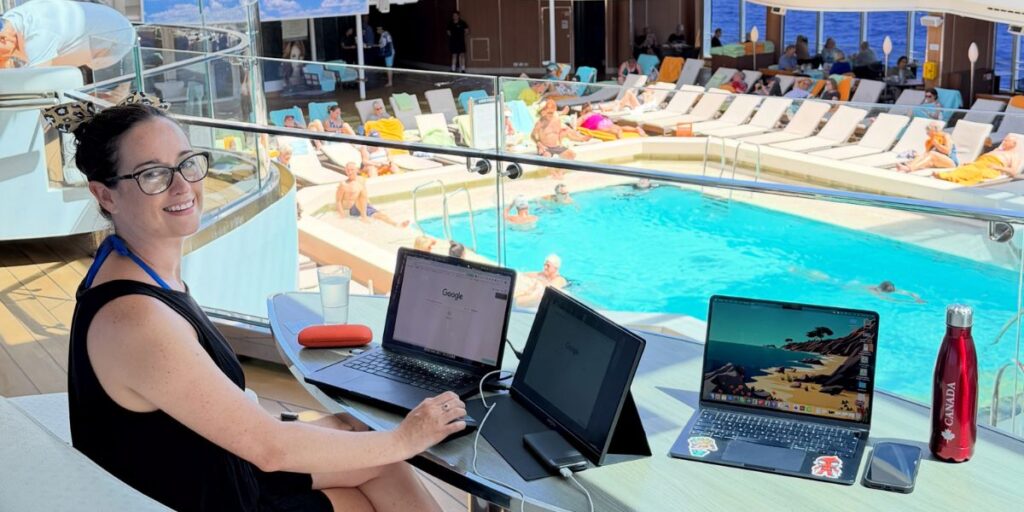
Now there are so many choices that two cruises can look almost identical on a search page and turn out to be completely different holidays.
That’s why I never judge a cruise on price and itinerary alone. I want to know what the ship is like, who the cruise is aimed at, what the food looks like, how much time I’ll actually get in port and whether I’m going to enjoy the bits in between.
The good news is that you don’t need to spend three weeks building a spreadsheet before you book. You just need to know what’s actually worth checking.
1. Start With the Cruise Line, Not the Cruise
This is probably the biggest shortcut when you’re comparing lots of options.
Cruise lines can look very similar from the outside. They all have pools, restaurants, bars, entertainment and cabins. But once you’ve sailed with a few of them, you realise they can feel completely different.
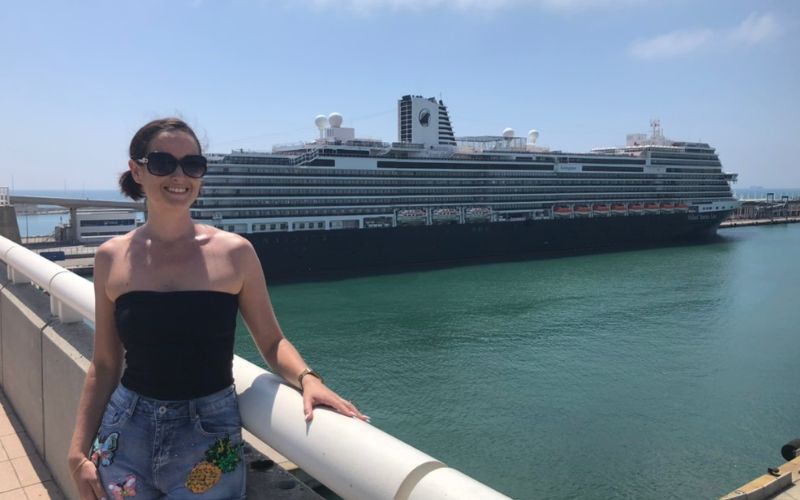
Some are built around big family attractions. Some have much more of a party atmosphere. Others are quieter, more traditional, more luxurious or much more focused on the places you’re visiting.
Holland America Line is a really good example to point to, because it has a clear idea of what it wants to be. The ships are mid-sized rather than enormous, destinations matter, food is a big part of the experience and there’s a strong focus on live music.
That’s not going to suit absolutely everybody, and that’s the point.
Before I get too excited about a particular cruise, I want to know whether I actually like the sound of the cruise line.
NEW DEALS JUST RELEASED!
Don’t miss the latest Holland America Line offers…
2. Think About Who Is Likely to Be Onboard
You obviously can’t know exactly who you’ll be cruising with, but you can normally make a pretty good guess at the general mix.
The cruise line plays a part in that. But timing can change things a lot, too.
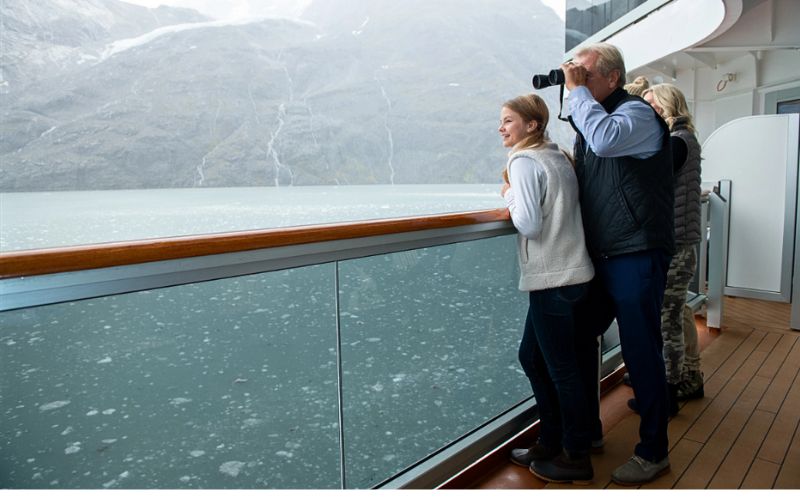
A seven-night cruise during the school summer holidays is likely to feel different from a 21-night sailing in October. Short cruises often have a livelier atmosphere than longer ones. The departure port can make a difference too, especially when it comes to the mix of nationalities onboard.
This is one reason I never take cruise reviews completely at face value. One person’s complaint that a sailing was “too quiet” might be exactly what somebody else is looking for.
Read more: Is Holland America Line Good For Kids? We Tested It
3. Check the Actual Ship
Once you like the sound of the cruise line, have a proper look at the ship.
It sounds obvious, but it’s easy to research a cruise line generally and forget that ships within the same fleet can be quite different.

Newer ships might have more restaurants, different cabin types and extra facilities. Smaller ships can feel completely different again, and older ones may have had several refurbishments since some of the reviews you’re reading were written.
Deck plans are useful here, even if they aren’t the most exciting thing to look at. I’ll normally check where the pools are, what restaurants are onboard, whether there are quieter areas and what’s above and below the cabin I’m considering.
You’d be surprised how often people discover an amazing restaurant, bar or attraction online and then realise it’s on another ship entirely.
4. Look Beyond the List of Ports
A cruise itinerary can look brilliant until you click into the actual timings – that can change things a lot.
If you’re arriving somewhere at 1pm and sailing again at 6pm, that’s quite different from having a full day there. Likewise, an overnight stay can completely change what you’re able to do.

I also check whether ports are tendered rather than docked. That doesn’t make them bad ports at all, but it can take longer to get ashore and you sometimes have less flexibility.
Then there are the sea days. Three sea days spread across a two-week cruise can be lovely. Three in a row is a very different proposition.
This is why I always click into the full itinerary rather than just scanning the destination names and assuming I know what the cruise will be like.
5. Research the Ports You Know Least About
The famous ports usually sell themselves. It’s the names you barely recognise that are worth researching properly.
I’ve had plenty of cruise days in places I knew almost nothing about beforehand and ended up loving them.

The Caribbean is a good example of why this matters. Two itineraries might both be described as Caribbean cruises, but the actual experience can be very different depending on the islands involved.
One could be fantastic if your idea of a perfect day is a beach and a rum punch. Another might have much better options for hiking, wildlife, history or sightseeing.
You see the same thing elsewhere too. Mediterranean cruises can combine major cities with tiny islands. Alaska itineraries can differ depending on the ports and scenic cruising included. Northern Europe covers everything from fjords to big cities.
I don’t need to plan every excursion before I book. I just want to know whether I’d be excited to wake up there.
6. Picture Yourself Onboard
This is the bit that gets overlooked when an itinerary looks especially good: ask yourself what you’d actually do on the ship.
Not what the brochure says you could do. What you would genuinely spend your time doing.

If you like lying beside the pool, how much outdoor space is there? If you prefer sitting somewhere quiet with a coffee, are there good lounges? If evenings matter to you, what sort of entertainment is there?
I also think about what happens after a port day. You might be back onboard by 4pm with hours left before dinner. You might decide not to get off at all one day. Bad weather could mess up your plans.
The ship isn’t just transport between the interesting bits. You’re going to spend a lot of time there.
7. Don’t Just Count the Restaurants
Cruise lines love telling you how many places there are to eat, but the number on its own doesn’t tell you very much.
I want to know how many are included. Then I’ll look at which ones cost extra, what the casual options are like, whether there’s somewhere good for lunch and whether I’d realistically want to pay for the speciality restaurants.
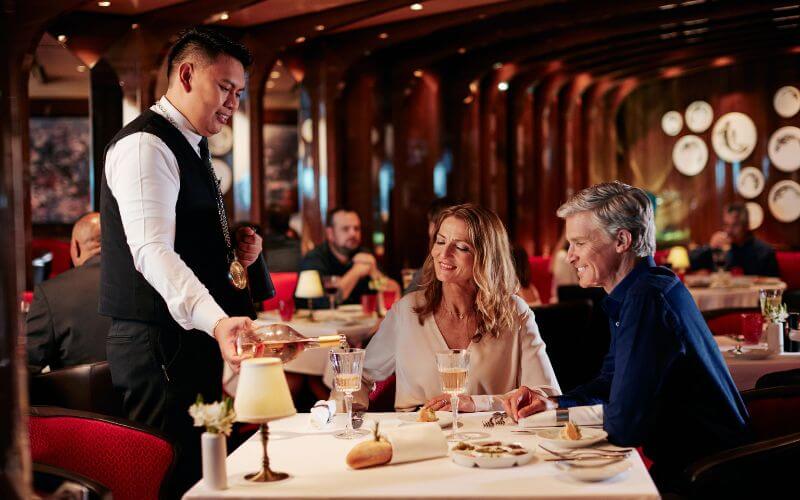
Sample menus are really useful and they’re normally easy enough to find online. Passenger photos can be even better because they show you what the food actually looks like rather than the beautifully lit version used in the brochure.
Food is a fairly big part of any cruise for me, so I’d never leave this until after booking.
After all, you’re going to be eating onboard every single day.
8. Don’t Let the Cheapest Fare Win Automatically
Of course price matters. But I think this is where people sometimes make comparisons that aren’t really fair.
One cruise might be £100 cheaper at first glance, but that doesn’t mean it’s going to cost less by the time you come home.

You have to look at what’s included and, just as importantly, what you personally would pay extra for.
Holland America’s Have It All fare is a good example. It includes drinks, WiFi, speciality dining and shore excursion credit, so somebody who was planning to buy those things anyway needs to factor that into the comparison.
On the other hand, if you barely drink, never use WiFi and prefer exploring independently, a bundle might not matter nearly as much to you, and a cruise-only fare could be a better fit.
This is why I think the headline fare should come quite late in the decision rather than being the thing that decides everything.
HAVE IT ALL EARLY BOOKING BONUS
Check out the best deals with up to 60% savings on premium amenities…
9. Use Reviews Properly
I read cruise reviews all the time, but I don’t pay much attention to one person declaring that a ship is either the best or worst thing ever built.
I’m looking for patterns. If lots of recent reviews mention slow service, worn cabins or brilliant entertainment, that tells me much more than one dramatic rant.

I also check when the review was written. A ship might have been refurbished since then, menus might have changed and entertainment can be completely different.
YouTube is especially useful because you can actually see what the ship looks like, but even then, remember that everyone values different things.
A reviewer might hate that there isn’t a waterslide. I couldn’t care less if I wasn’t planning to use one.
(I do like a waterslide, to be fair. Not on every ship, though, and I’m very happy on ships that don’t have them!)
10. Work Out What the Holiday Will Really Cost
Once I’m down to a couple of serious options, this is when I get the calculator out, or the spreadsheet open. Not literally, every time anyway. I’m not building a financial model but I do want a rough idea of the real cost.
Flights can make a huge difference. So can hotels, transfers, parking, drinks, WiFi, gratuities, speciality dining and excursions.

Sometimes a cruise that initially looks expensive starts to make much more sense once you realise how much is included.
The opposite happens too. A bargain fare can become much less exciting once you start adding all the extras you know you’ll want.
You don’t need to predict every pound you’ll spend. A sensible estimate is enough.
11. Give the Sea Days More Attention Than You Think They Need
I used to look at sea days mainly as the gaps between the ports, but I don’t anymore.
If there are several of them, they can have a huge effect on whether you enjoy the cruise.
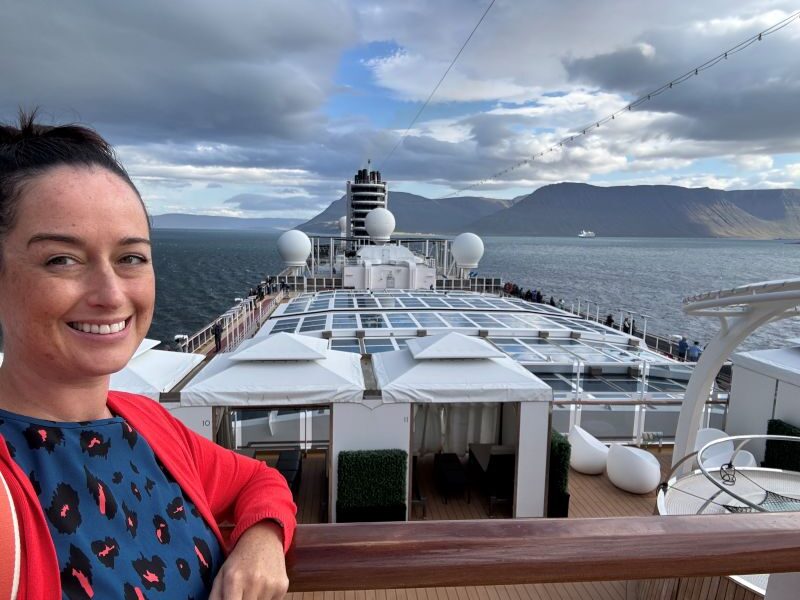
That doesn’t mean fewer is always better. I really like sea days when I’m on the right ship. They give you time to actually enjoy everything onboard rather than constantly rushing off somewhere.
But the ship has to suit you. If you’re someone who likes quizzes, live music, long lunches and sitting somewhere with a book, you might be perfectly happy with several sea days. If you get restless after six hours without a port, maybe not.
Also look at where they fall. A sea day after several busy ports can be very welcome. Three consecutive ones require a little more confidence that you’re going to enjoy being onboard.
Final Word
The more cruises you take, the more you realise there isn’t really such a thing as the “best” cruise. There’s just the one that suits you best.
That might mean choosing the better itinerary over the newer ship, paying a little more because the extras are included, or deliberately picking a cruise line because you already know its style matches the sort of holiday you enjoy.
That’s where Holland America Line stands out for the right traveller. The combination of mid-sized ships, interesting itineraries, good food and strong live entertainment gives the line a very definite identity, rather than trying to be everything to everyone.
Have It All can also make the overall value easier to judge if drinks, WiFi, speciality dining and excursions are things you’d be paying for anyway.
The trick is to work out what actually matters to you before the prices, glossy ship photos and huge lists of facilities start competing for your attention.
Once you know that, finding the right cruise becomes a lot easier.
NEW DEALS JUST RELEASED!
Don’t miss the latest Holland America Line offers…
